The Dial Is a Haunted House: Pirate Radio’s Low-Power Comeback
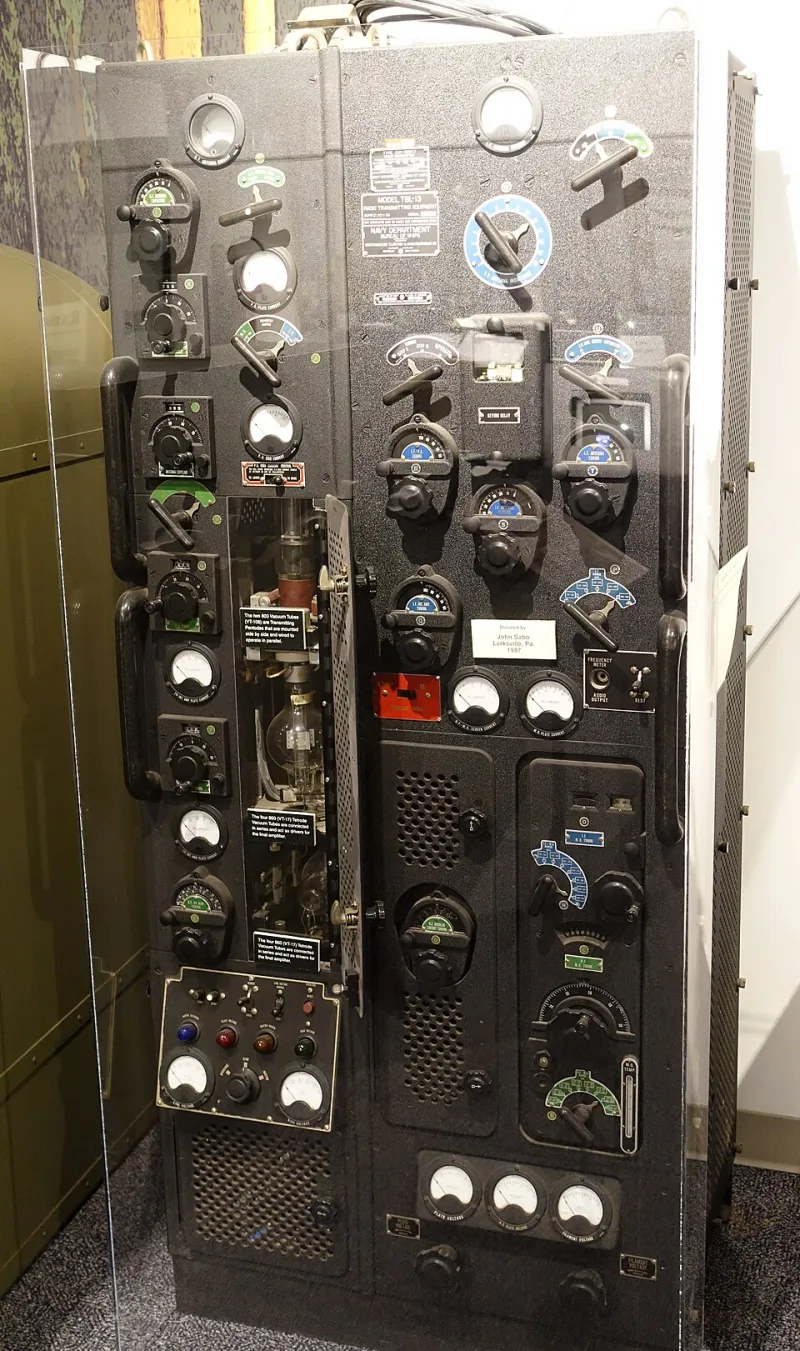
Photo: Daderot, CC0, via Wikimedia Commons
On a recent Tuesday in 2026, I did what any reasonable adult does when avoiding a podcast queue: I hit Scan on my car radio and waited for the machine to judge me. Mostly it offered the usual menu — country, classic rock, a station playing what sounded like a refrigerator falling down stairs — and then, near the bottom of the dial, a man’s voice appeared out of nowhere to say, “And that was for everybody out there who still owns a soldering iron.”
No call letters. No corporate jingle. No explanation. Just a human, a transmitter, and a signal with the lifespan of a mayfly. I drove around the block twice trying to hold onto it. That, in a nutshell, is pirate radio in America: not a triumphant comeback, exactly, but a stubborn little flicker that refuses to be fully swept off the dial.
The FCC’s Least Favorite Game of Whack-a-Mole
Let’s get the boring-but-important part out of the way: unlicensed FM broadcasting is illegal. The Federal Communications Commission does not think of it as charming. It thinks of it as interference, and the agency has spent decades playing whack-a-mole with stations that pop up in basements, churches, garages, and the occasional van with a questionable antenna situation.
The modern enforcement era got a fresh coat of paint with the PIRATE Act of 2020, which gave the FCC sharper tools for going after unlicensed broadcasters. In practice, that means notices, fines, equipment seizures, and the kind of paperwork that makes a hobbyist suddenly remember they have a day job. The commission’s enforcement actions read like a very specific crime blotter: a station here, a transmitter there, a landlord who insisted he had no idea what was happening in Unit B.
And yet. Every few months, someone else discovers that a cheap FM transmitter and a dream can put a voice into the air. The FCC can fine people. It can seize gear. It cannot, apparently, confiscate the urge to say “good evening, listeners” into a microphone while your roommate is trying to microwave a burrito.
Field Notes From the Unmarked End of the Dial
Pirate radio has a habitat. Dial-scan long enough and you learn its telltale signs: signals that appear for a week and vanish, audio that sounds like it’s being transmitted through a soup can, and formatting choices that suggest the programmer has never once consulted a focus group.
Some of it is genuinely local — a basement DJ playing deep cuts for an audience of maybe nine people and one confused Uber driver. Some of it is religious: drive-in church services, sermon loops, and stations that treat the FM band like a parking lot with a pulpit. Not all of those are pirate; low-power legal operations and Part 15 transmitters exist, and the line between “tiny licensed station” and “someone’s cousin with a tower” can get wonderfully blurry.
What unites the genuinely unlicensed stuff is the vibe. It feels temporary. It feels handmade. It feels like finding a note in a library book that says “meet me behind the gym” but the gym is a strip mall and the note is a weather report for a town you can’t quite locate.
I once caught three songs, a rant about potholes, and a promise that “the good stuff” would be back after sundown. I never found the station again. That is not a bug. That is the entire emotional architecture.
TikTok Made Piracy Look Cozy Again
The newest wave of radio corsairs is not all grizzled engineers in a shed. Scroll through TikTok or YouTube in 2026 and you’ll find hobbyists showing off antenna builds, tiny transmitters, and the aesthetic of a broadcast booth assembled from thrift-store parts. Some of them stream online, which is legal-ish and very 2026. Some of them nudge an FM signal into the neighborhood and find out what happens next.
The appeal is obvious. The internet made everyone a broadcaster, but it also made broadcasting feel like posting into a hurricane. Pirate radio is smaller and stranger. It has edges. It has static. It has the thrill of trespassing on a frequency without actually trespassing on property, unless you count the FCC’s patience.
There’s also a nostalgia loop at work. For younger hobbyists, pirate radio is retro-cool — the analog cousin of a zine, a cassette, a forgotten GeoCities page. For older listeners, it’s a reminder of a time when the dial was not a carefully curated playlist but a slightly lawless neighborhood. Either way, the romance is the same: somebody out there is doing it themselves.
Why the Static Refuses to Die
Pirate radio persists because it offers something the modern media buffet mostly doesn’t: locality with a pulse. A podcast is a letter. A streaming playlist is a catalog. Pirate radio is a note shoved under the door while the cops are in the driveway.
It’s also, frankly, a great story. Dead men tell no tales, but dead air tells plenty. It tells you someone had a transmitter, a spare afternoon, and a stubborn belief that the airwaves should have room for weirdos. The FCC will keep enforcing. The hobbyists will keep tinkering. The rest of us will keep scanning, hoping to catch a ghost before it signs off.
At Yo Ho Ho! Blog, we respect that kind of low-power rebellion. It’s not the loudest signal on the dial. It’s just the one that makes you turn the volume up and ask, “Wait — what was that?”